IPL & Photofacial Machines
Intense pulsed light systems for hair removal, rejuvenation and pigmentation.
Machines
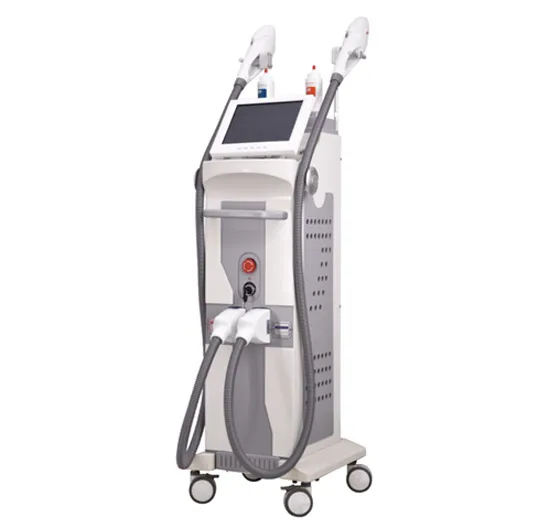 L01 / L02
OPT Laser Machine
Optimal Pulse Technology (OPT) square-wave pulses for painless hair removal plus skin rejuvenation, pigment and vascular treatment on one platform.
View machine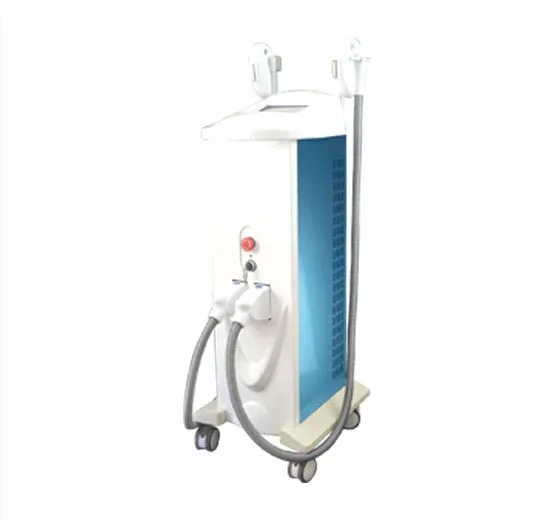 L01 / L02
IPL Machine
Intense Pulsed Light broad-spectrum device (430-1200nm) for hair removal, skin rejuvenation, pigmented and vascular lesion removal, and acne treatment.
View machineWhat an ipl photofacial machine for sale actually delivers in a UK clinic
IPL stands for Intense Pulsed Light. It's a broad-spectrum device, and one system covers several skin concerns at once. Swap the wavelength filter and the same machine does hair removal, skin rejuvenation, pigmented lesion removal (freckles and sunspots), vascular lesion therapy (spider veins and redness) and acne treatment. That versatility is the whole appeal for a British salon buying its first energy-based device. You aren't locked into a single-treatment box. One IPL workstation fills out a treatment menu, and you extend it by changing filters, not by signing another finance agreement.
Picture a Tuesday afternoon: back-to-back legs, then a photo facial booked at 4pm. One machine, both jobs. That's the buying logic here. Read the specification closely though, as our IPL machine buying guide sets out. Count the filter bands. That number tells you how many distinct treatments you can genuinely offer. A machine listed with HR 610-1200nm, VL 585-1200nm and SR 530-1200nm filters covers hair removal, vascular lesion work and skin rejuvenation. Is your client base mainly hair removal plus general redness and sun damage? Then that's often enough. Want acne management or deeper skin types on the menu? You may need additional filters, or a different platform altogether.
Before any clinical question, there's a compliance one. Ask the supplier whether the device is CE marked under the transitional arrangements still recognised by the MHRA in Great Britain, or whether it carries a UKCA mark. Ask who the UK Responsible Person is. Ask for a copy of the Declaration of Conformity. The transition deadlines keep moving, so check the MHRA's current guidance on the day you order, not the day you started shopping. As for a special treatment licence, your own local authority is the only reliable answer. Some London boroughs use the London Local Authorities Act 1991. Other councils rely on local byelaws. There is no single national rule for IPL.
Professional IPL or a home device: where the line sits
It's easy to underprice yourself against consumer gadgets. Professional machines earn their keep on three things. Energy density comes first: the IPL platform we supply runs 1-50J/cm² across a 8x40mm spot, with an optional 10x50mm head. Home devices sit far below that. More sessions for the client, less visible change per visit. Pulse control is second. You can set pulse width from 1-9.9ms and pulse delay from 1-99ms, which matters when you're treating darker skin or vascular lesions. Cooling and safety is third. Our machines combine air, semiconductor and water cooling with an automatic self-checking and alarm system. None of that is a marketing add-on. It's what lets you work safely all day without cooking the handpiece or the client's skin.
Then there's the paperwork. The general duty sits in the Health and Safety at Work etc. Act 1974. The requirement for a suitable and sufficient risk assessment comes from the Management of Health and Safety at Work Regulations 1999 reg 3, and it must be recorded in writing once you employ five or more people. That assessment should cover IPL use, operator competence and emergency procedures. Equipment maintenance and operator training records fall under PUWER 1998. A client using a home device carries none of this. You do, because you're running a professional service.
OPT vs classic IPL: why pulse shape changes the buying decision
Ordinary IPL fires a high-energy peak on the first pulse, then decays. That sharp spike can burn the epidermis, and the tail of the pulse mostly wastes energy. OPT (Optimal Pulse Technology) answers this with square-wave pulses, where every sub-pulse carries equal energy. The point isn't marketing. It's predictability. Say three operators use the machine on three different days: a square-wave pulse heats tissue more consistently than a decaying spike does. That consistency means fewer adverse reactions and fewer client complaints. For a clinic, that alone can justify the price difference, because it cuts down the redos and the free consults.
When you compare specifications, look at the wavelength range and the stated pulse width. Our OPT machine runs 530-1200nm (with a 640-1200nm option for hair removal), energy density 1-50J/cm², pulse width 1-9.9ms and frequency 1-10Hz. There's a sliding hair removal function at 10Hz too. None of that tells you the pulse shape, though. So ask the supplier for a pulse profile graph. No graph? Assume you're looking at a standard decaying pulse, not true OPT.
Darker skin types: why the risk conversation comes before the sale
For Fitzpatrick skin types IV-VI, IPL isn't the first choice in most clinics. Broadband light carries shorter wavelengths, and those can trigger post-inflammatory hyperpigmentation (PIH) where the client's melanin is active and concentrated. This isn't a rumour. It's the standard caution in every serious clinical reference. Serving a diverse client base in a city like Birmingham or Leicester? Then you raise it at the pre-treatment consultation, not after a bad patch test.
The guideline is simple. Test a small, hidden area first, wait several days, then reassess. Any sign of PIH and you do not treat the full area. Period. No marketing claim overrides a patch test, because the downside is a client walking around with visible pigmentation for months. Put PIH recognition into staff induction as well. It's a clinical duty, yes, and it also protects your reputation and your insurance record.
When a diode laser is the better purchase for your clinic
IPL does well on clients with lighter skin and dark hair, coarse body hair especially. But if your appointment book leans towards darker skin types or finer hair, a diode laser usually makes more sense, and our diode laser versus IPL comparison puts the two side by side. Diode lasers run at 808nm. One wavelength, deeper penetration, and more selective absorption by melanin in the follicle. They also hold continuous contact cooling at 0-4°C, so you can push fluence higher without burning the surface. What you notice day to day is speed and accuracy: a diode clears a full leg in noticeably less time than IPL, since there are no filters to swap and the larger spot size covers more area per pulse.
Start with your own booking mix. If 70% of your laser-style bookings are hair removal, buy a diode laser for that and keep IPL for pigmentation or redness. If hair removal is a minority service, IPL plus a few filter changes may cover you without a second capital purchase. That's a margin calculation, not a clinical argument. Most UK clinics end up owning both anyway. The real question is which one pays for itself first.
Frequently asked questions
How many sessions do IPL photofacial clients typically need?
For benign pigmented lesions and general redness, most clients see useful fading after 1-3 treatments. Hair removal usually takes a longer course because you're targeting follicles at different growth phases. But these are starting points, not promises. Your written consent form should state the expected number of sessions for each client, based on a patch test and their skin type. If you're advertising results, remember the CAP Code requires evidence before you publish any outcome claim, not after a client asks for a refund. Read the guidance and keep your own before-and-after photos with written consent.
What's the difference between IPL and laser for photofacial work?
IPL emits a broad spectrum, typically 430-1200nm, and you use filters to select which wavelengths reach the skin. A laser emits one fixed wavelength. For pigmentation and redness, IPL's broadband coverage can be an advantage because one pulse treats both melanin and haemoglobin. But that same broadness is a disadvantage on darker skin types. For hair removal, the 808nm diode laser is the more selective choice across skin types I-VI. For photorejuvenation on lighter skin, IPL is often the more flexible and affordable platform.
Do I need a special licence to offer IPL treatments in the UK?
There is no single national licence for IPL in Great Britain. Some local authorities require a special treatment licence under the London Local Authorities Act 1991 or local byelaws, but coverage varies hugely. The only reliable answer is to ask your own council, by email or letter, and keep the response on file. That written reply is your due diligence.The general duty sits in the Health and Safety at Work etc. Act 1974; the requirement for a suitable and sufficient risk assessment comes from the Management of Health and Safety at Work Regulations 1999 reg 3, and it must be recorded in writing once you employ five or more people. Equipment maintenance and operator training records fall under PUWER 1998.
Sourcing this category?
Send us your target treatments and market — a factory quotation follows within 12-24 hours.