Ultrasonic Cavitation Machines
40KHz ultrasonic cavitation for cellulite and circumference reduction.
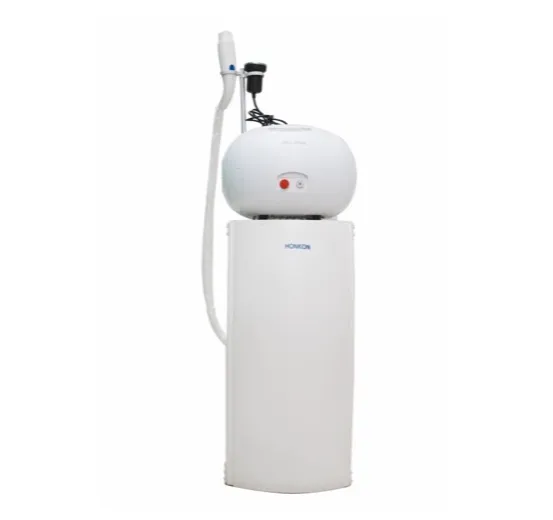
An rf cavitation machine is two devices in one box, and the sooner you think of it that way the fewer problems you'll have. Say a clinic owner asks whether she can book a client in for 'cavitation' and just run whichever head is free. No. The ultrasound head and the RF head do different jobs, need different screening, and belong to different parts of the appointment.
What a cavitation and RF machine actually is
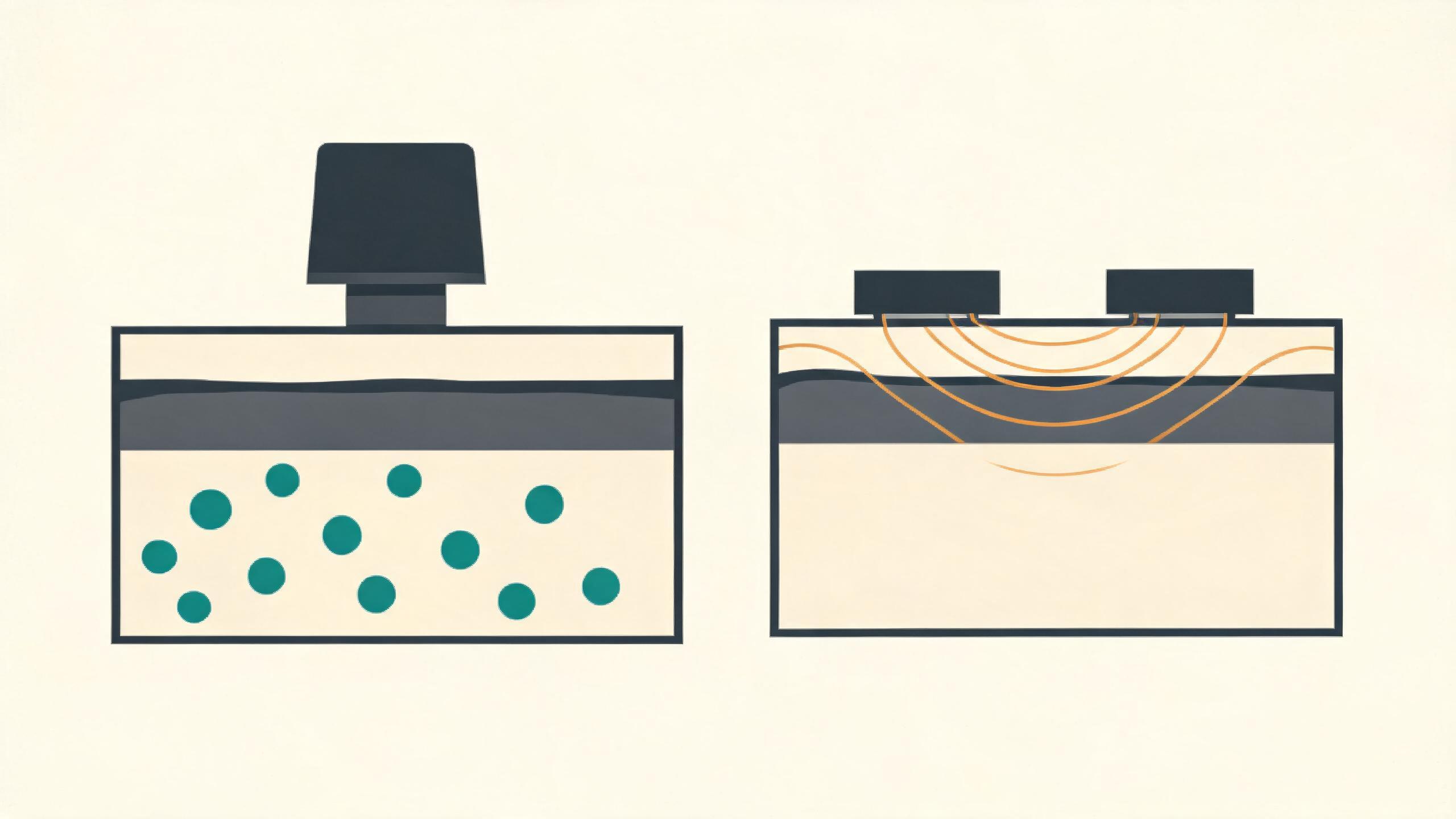
Two energy types share a trolley. Low-frequency ultrasound, usually quoted at 40kHz, drives mechanical pressure cycles through the subcutaneous fat layer. Radio frequency pushes electrical current through tissue and generates heat in the dermis and subcutaneous layer. Separate outputs, separate handpieces, separate consent conversations.
Each part has a defined role in the room. Cavitation is there for the fat layer. RF is there for heat, collagen response and skin tightening. Neither is a weight loss treatment, and if a client's goal is weight loss rather than contour, the honest answer is a referral, not a bed.
Our catalogue lists these as separate platforms: our ultrasonic cavitation slimming machine and our RF skin tightening machine. Some machines combine them. That combination is a convenience for the operator, not a new modality. Your insurance disclosure has to name both.
For a wider view of where this sits against other technologies, the body contouring category is the place to start.
Why clinics pair cavitation with RF in one appointment
Division of labour, plainly. Cavitation goes first, over the marked fat area. RF follows, over the same or an adjacent zone. One client, one bed, one slot. That's the commercial logic, and it's a good one.
Don't run them simultaneously even if a supplier says you can. Sequential application gives you a monitoring window between the two, and monitoring is the whole job. If you want the deeper comparison against fat freezing, we've written it up in cavitation vs cryolipolysis.
40kHz cavitation: what the frequency means
Three other variables matter as much: handpiece diameter, stated output, and how well your coupling gel maintains contact. A 40mm head on a 50W machine covers roughly a third of the area of a 72mm head in the same pass. That's engineering arithmetic, not a clinical claim.
| What you're comparing | Why it matters in the room | What to ask for |
|---|---|---|
| Cavitation frequency | Sets the depth and character of the ultrasound effect | The document that states it |
| Handpiece diameter | Determines how many passes a flank or abdomen needs | Measured diameter, not a photo |
| RF frequency | Linked to how deeply the current heats tissue | Stated figure in MHz |
| Simultaneous or sequential output | Affects monitoring time and therapist control | A straight answer, in writing |
| Intended use statement | Drives how you may advertise and insure the treatment | The manufacturer's own wording |
How a course of treatment is structured
Most UK clinics structure cavitation as a course of six to eight sessions spaced three to seven days apart, with a review point part-way through so you can adjust rather than just repeat.
What changes between visits is area size, energy settings, and whether both modalities are used every time. Early sessions often cover a larger zone at lower settings; later ones narrow in. The therapist decides, on the day, after screening.
Record each visit properly: area treated, settings used, duration, skin response, any adverse event, and the client's own comments. That record is what you reach for when someone asks about progress, and it's what your insurer reaches for if there's a complaint.
UK intended use and the paperwork a clinic should hold
Intended use is set by the manufacturer. It isn't something a clinic can stretch by writing better ad copy. If the stated intended use is cosmetic body contouring, that's what you advertise.
The MHRA regulates the UK medical devices market, and devices must be registered with the MHRA before they can be placed on the market in Great Britain. Registration is not an approval or endorsement, so don't let anyone dress it up as one. Ask your supplier for the current position in writing: the MHRA guidance is the document to read on the day you order, because the transition arrangements keep moving.
The clinic file should hold the instructions for use, the manufacturer's statement of conformity where one applies, the UK responsible person's details, and your own written risk assessment under the Management of Health and Safety at Work Regulations 1999 if you have five or more employees. If a supplier's website shouts about foreign clearances, that tells you nothing about your UK obligations.
On local licensing, there's no national requirement. Some London boroughs require a special treatment licence under the London Local Authorities Act 1991, and a few councils elsewhere have their own bylaws. Put the question to your own council in writing and keep the reply.
Questions to ask a cavitation and RF supplier before you buy
Then the unglamorous one. Ask what happens at the first fault, who attends, in what timeframe, and which parts are held in the UK. A supplier who can't answer that will cost you bookings, whatever the machine does on paper.
Round it off with training. Establish whether it is in person, online, or a recorded video, and who you call when the RF stops heating mid-course. If you want to see the hardware first, the ultrasonic cavitation slimming platform and the RF skin tightening platform pages carry the specifications, and our contact page is the way to put these questions to us directly.
Setting up the treatment room and pricing the course
Price the course as a whole. A combined course bundles the cavitation and RF work into one fee, which protects your margin and stops clients cherry-picking the cheaper half. Against single-technology treatments already on your menu, position it as the one that covers fat and skin in a single visit.
One last thing. A cavitation machine UK buyers see advertised cheaply is usually cheap for a reason: small heads, vague documentation, no named responsible person. Check the paperwork before you check the price.
Frequently asked questions
Do cavitation and RF really work?
They do different things, so they have different evidence behind them. Focused ultrasound cavitation combined with aerobic exercise has been studied in a randomised controlled trial in fatty liver patients, and the trial concluded the combination had more effect on abdominal and intrahepatic fat than exercise alone. For RF, the mechanism is heating the dermis and subcutaneous tissue, which is why it's used for skin tightening and collagen response. Neither is a weight loss treatment, and neither should be sold with a promised inch loss.
What are the negative side effects of cavitation?
The usual ones are transient: redness, warmth, mild tenderness over the treated area, and occasionally temporary numbness. For any machine with an RF mode, the contraindications to screen for are cardiac pacemaker, implanted cardioverter defibrillator (ICD), other active implanted electronic devices, metal implants in the treatment area, impaired skin sensation, pregnancy, and active skin infection or broken skin. More serious events are rare but real, which is why screening matters. Don't treat over the eyes, the thyroid, or the abdomen during pregnancy. If a client reports unusual pain or skin changes, stop and escalate. Your written consultation on the day is what catches most of this.
Can RF be used to reduce belly fat?
RF is a heating modality. Its documented role is heating the dermis and subcutaneous layer, which supports skin tightening and collagen response rather than fat reduction. In a combined rf and cavitation machine, the fat-layer work is done by the ultrasound side. So if a client's goal is fat reduction on the abdomen, the cavitation part is doing the heavy lifting and RF is closing the appointment.
Is a cavitation and radio frequency machine a medical device in the UK?
It depends on the manufacturer's stated intended use. If it's marketed purely for cosmetic body contouring, it may not be a medical device under UK MDR 2002. If the manufacturer claims it treats a medical condition, it probably is. The MHRA regulates the UK medical devices market, and devices must be registered with the MHRA before they can be placed on the market in Great Britain, though registration is not an approval. Ask your supplier for the Declaration of Conformity and the UK responsible person's details, in writing.
How should I structure pricing for a combined course?
Price the course, not the session. Bundle the cavitation and RF work into one fee so clients can't split the modalities, and set your review point part-way through so you can adjust the remaining sessions. Against single-technology treatments already on your menu, position the combined course as covering fat and skin in one visit. Consumables are minimal, so your real cost is training time and the floor space the unit occupies.
Sourcing this category?
Send us your target treatments and market — a factory quotation follows within 12-24 hours.