Laser, RF & body machines for the UK aesthetic clinic
Diode hair removal, cryolipolysis, HIFU and RF systems — built for UK salons, clinics and medi-spas, with the certification and support to match.
Five treatment categories
Start from the indication your clinic wants to serve.
Laser Hair Removal Machines
Diode 808nm and IPL systems for high-volume hair removal in UK clinics and salons.
Explore P0 · 59 keywordsBody Contouring Machines
Cryolipolysis, RF and cavitation systems for fat reduction and body shaping.
Explore P1 · 58 keywordsRF & HIFU Skin Tightening Machines
Radio frequency and focused ultrasound for face lifting and skin tightening.
Explore P1 · 47 keywordsUltrasonic Cavitation Machines
40KHz ultrasonic cavitation for cellulite and circumference reduction.
Explore P1 · 28 keywordsIPL & Photofacial Machines
Intense pulsed light systems for hair removal, rejuvenation and pigmentation.
ExploreFeatured machines
The hair removal and body contouring platforms UK clinics build on.
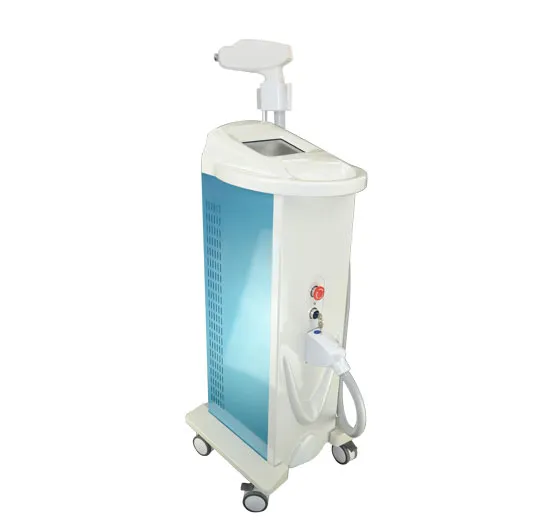 D01 / D02
Diode Laser Hair Removal Machine
808nm diode laser for high-volume hair reduction in UK salons. 0-4°C sapphire contact cooling, 12x12mm spot, course-based results across Fitzpatrick I–VI with patch testing on darker skin.
View machine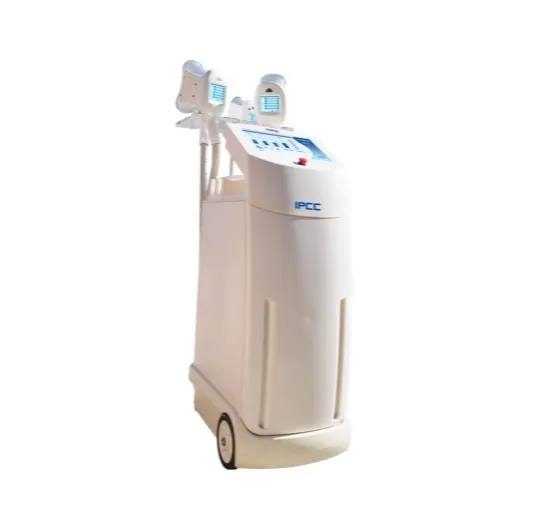 F01
Cryolipolysis Fat Freezing Machine
Cryolipolysis with vacuum and IR for hands-free fat reduction of pinchable bulges (abdomen, love handles, limbs) at 0-15°C.
View machine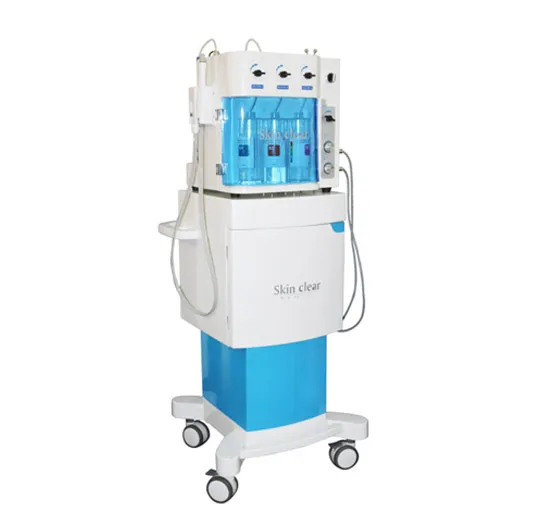 W01
Water & Oxygen Jet Facial (Hydrofacial) Machine
What a hydrofacial machine costs to run in a UK clinic: consumables per treatment, special treatment licence checks and the questions your quotation must answer.
View machine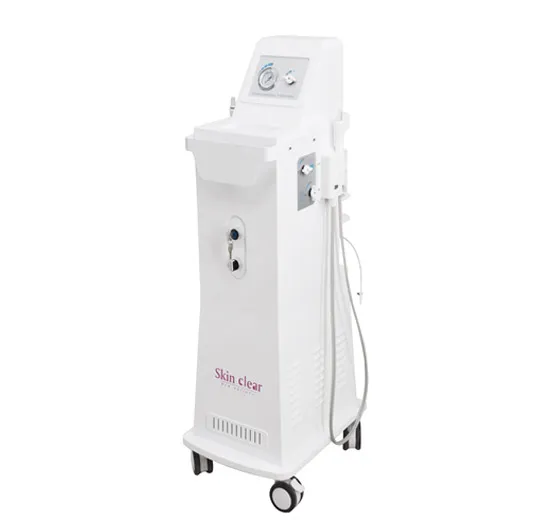 O01
Hyperbaric Oxygen Facial Machine
A non-invasive jet peel system that sprays a mix of water, medical oxygen and nutrient liquid at high speed for follicle-level deep cleansing.
View machineBuilt for the UK market
CE & UKCA ready
Machines supplied with the documentation UK clinics need to operate compliantly.
UK voltage & supply
220-240V / 50Hz standard, with clear shipping and import support for UK buyers.
After-sales in your timezone
Training, spares and technical support matched to UK working hours.
A beauty machine supplier for UK clinics
We are a beauty machine supplier to clinics and salons across England, Scotland and Wales. Our range covers diode laser hair removal, body contouring, skin tightening and facial equipment. We sell to clinic owners, salon managers and procurement leads who plan diaries around Tuesday-to-Saturday bookings and need machines that slot into staff rotas, insurance policies and local council rules.
This page is not a product brochure. It's a checkpoint for buyers who want to separate suppliers that answer compliance questions from suppliers that hope you won't ask.
If you're comparing us with another aesthetic machine supplier, compare paperwork, not just wattage. That means asking which mark a device carries, UKCA or CE under MHRA transitional arrangements, whether it is registered with the MHRA, who acts as the UK Responsible Person, and whether a written Declaration of Conformity is available. A supplier who hesitates on any of those questions is not saving you money.
Paperwork checks before you compare prices
In Great Britain, a device with a medical intended purpose sits under the UK Medical Devices Regulations 2002 (UK MDR 2002). Before you pay a deposit, ask any supplier for the current mark on the device, UKCA or CE under MHRA transitional arrangements. Then ask if the device is registered with the MHRA, who the UK Responsible Person is, and whether a written Declaration of Conformity is available. Devices sold purely for cosmetic use may not fall inside UK MDR 2002, depending on the manufacturer's stated intended purpose. The MHRA's position can shift, so check its current guidance on the day you order.
Ask for these documents before you compare prices:
- Declaration of Conformity
- MHRA registration confirmation, if the device has a medical purpose
- UK Responsible Person details for the Great Britain market
- Current mark status, UKCA or CE under transitional arrangements
Licensing is local, not national. The only reliable answer is your own council's reply. London boroughs may have conditions under the London Local Authorities Act 1991, and some councils elsewhere use byelaws. Wales has a closed list under the Public Health (Wales) Act 2017 that does not include facial treatments or body contouring. Don't assume a national rule exists; it doesn't.
If you advertise specific results, the CAP Code requires evidence before the ad goes live. Menus should describe the protocol, not promise a particular outcome. That distinction protects your business, not just your clients.
The real cost is more than the invoice
A machine quote is a fraction of the total cost of putting that device into service. You'll also pay for consumables, staff training, insurance, any room modifications, import duty and VAT. If you're VAT-registered, import VAT can usually be recovered, so it is cash flow rather than a final cost. Duty depends on commodity code and country of origin, and it's not recoverable in the same way.
Quotes that look cheap often miss those items. A Tuesday-afternoon salon doing back-to-back legs needs spare handpieces and predictable service, not just a low headline price. Ask about warranty terms, parts availability in Great Britain, and what happens when a machine stops working mid-week. Some suppliers quote ex-works, so shipping, customs clearance and delivery to your door sit outside the price.
Route yourself by treatment goal
The right machine starts with the bookings you want, not the technology you've seen online. If your diary is full of hair removal requests, look at diode laser equipment. If body contouring is the lead service, compare cryolipolysis and cavitation. If skin laxity drives consultations, HIFU and RF belong on the shortlist.
Start with laser hair removal machines if hair reduction is your core treatment. Body contouring machines suit clinics selling fat freezing or cavitation. For tightening and lifting, RF and HIFU skin tightening machines carry the conversation. If you are still deciding, our laser hair removal buying guide and cryolipolysis guide compare the trade-offs without the sales pitch.
Frequently asked questions
Is a CE-marked machine acceptable in Great Britain?
CE marking remains acceptable for many devices while MHRA transitional arrangements are in force. A UKCA mark may be required later, depending on the device type and future regulatory updates. Check the MHRA's current medical devices guidance before you order; do not rely on a supplier's claim that CE is fine without a dated source.
Do I need a special treatment licence to offer laser hair removal in England?
There is no national special treatment licence covering laser hair removal across England. Individual councils may require registration or a licence under local powers. In London, the London Local Authorities Act 1991 can apply in some boroughs. Outside London, some councils use byelaws. The only reliable answer is your own council's reply. Ask them, not a supplier's sales rep.
What should be in a Declaration of Conformity?
A Declaration of Conformity should name the manufacturer and the device, state the applicable regulations, and be signed by an authorised person. Request a copy before you pay. If the supplier cannot provide one for a device with a medical intended purpose, treat that as a red flag.
How much should I budget for a professional machine?
Low-to-mid four figures is a realistic starting point for entry-level professional equipment. Higher-spec diode lasers, HIFU and multi-handle cryolipolysis systems sit in the five-figure range. Ask for a full cost breakdown, including training and first-year consumables, before you compare headline prices.
Get a factory-direct quotation
Tell us the treatments your clinic wants to offer. Quotations are issued within 12-24 hours.